HEALTH
AND BODY FLUIDS

Some body fluids
might make you gag, but these substances actually help us in fighting germs, preventing
allergies, counteracting cavities,
and many more. Here are some body fluids that actually keep you healthy:
Mucus
Mucus serves as the first line of
defence in your nose and keeps your
airways moist so that they can work properly, by trapping
and killing bacteria, dust, pollen, and
other airborne particles with the help of antibodies and
enzymes. When an allergen invades and
irritates your nose, the mucus-making membranes make extra mucus in order to remove out the uninvited guests.
Ear Wax
Ear wax protects and moisturizes
the ear canal by trapping
dust and bacteria to prevent them from entering and
damaging our ear. Tests have shown that ear
wax has antibacterial and anti-fungal
properties, so one must keep cotton swabs
away from ears as the cotton could scratch the canal, or you might push more wax in than you remove, which could lead to an earache or
even hearing
disability.

Pus
Pus might look gross but its
presence means that your infection
fighters are working properly by engulfing something with the help of an anti-inflammatory or
anti-bacterial. One must never pop a zit, which could spread the pus and can possibly cause more infection and
scarring.

Eye Gunk
Eye
discharge is amongst the body’s natural defence system to wash away irritants, and shedding of the
cells that line the outside of the eyes.
Normally our eyes tear at a slow rate to maintain
lubrication, but when foreign
matter invades into our eyes, some tear glands ramp up their output, forming eye discharge.

Sweat
The body functions best around 98.6
degrees Fahrenheit. When our internal mercury rises, we perspire; as the sweat
evaporates off our skin, our body cools down.
Amount of sweat
pumped out from our body depends on the
number of sweat glands we have, some people have 2 million, while others have up
to 4 million.
Diarrhoea
Diarrhoea alerts us to food sensitivities and intolerances, such as to lactose. It is our body’s way of ejecting or removing out
undesirables. Chronic
diarrhoea usually signals a functional
disorder,If diarrhoea lasts more than two days, you might have severe stomach or
rectal pain, or if your stool contains blood or pus, kindly see your doctor.

Saliva
Saliva helps keep our teeth clean, moistens
our mouth, facilitates swallowing, and
contains enzymes that break down food and start the digestion process.
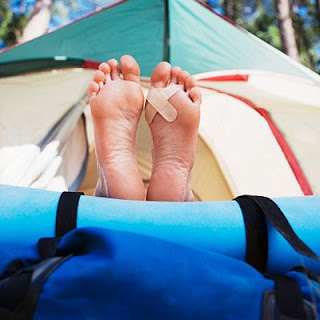
Water Blister
Water blisters act as natural
bandages, as long as the blister stays intact, the injury beneath will heal on its own. Cover a small blister with a bandage and large one with a gauze pad; change the dressing once a day until the blister deflates away. If a blister
needs to be drained or seems infected, see your doctor.
Urine
After our body extracts the
nutrients from food, waste
products are left behind in the blood.
That’s where the kidneys start working by filtering
urea, from our blood and uses it to produce urine. Peeing is a way our body eliminates waste and extra water from our body.
Vomit
Vomiting is just another way our
body gets rid of things that irritate it, which often subsides
within a day. To feel better while
you wait, stay hydrated, avoid strong odours, and eat light foods. Sometimes vomiting is a symptom of
something serious, the presence of blood could indicate ulcers, torn blood vessels, liver failure, or may be cancer. Contact
your doctor if you’ve been vomiting longer than 24 hours, have symptoms of dehydration or if there's blood in your vomit.

#Exhibitors #Sponsors #Speakers
#Delegates #Callforabstracts #Earlybird #Discounts #Healthcare #Services #Talks
#Discussions #PrimaryCare #OccupationalHealth #Safety #PublicHealth #Diabetes
#Pediatrics #PatientSafety #Pathology #Alternativemedicine #PreventiveMedicines
#Nursing #Cardiology
#Nutrition #FamilyMedicine #Vaccination #Dentistry #CommunityHealth
#InfectiousDisease #Geriatrics #Europe #EnvironmentalHealth #HospitalManagement
#Oncology #Pharmaceuticals #Biotechnology #Dermatology #Spain #Barcelona
#Conference #Congress #Workshop #Poster #Video #Presentation #Alliedhealth
#Cardio #Clinical #Gastro #Globalhealth #Promotion #Policy #Insurance #Ear #Eye
#Gynaecolgy #Hematology #Skin #Organisations #Radiology #Refractive #Surgery

Conference Name: 15th Edition of
International Conference on Healthcare
Conference Website: https://healthcare.euroscicon.com
Conference Venue: Barcelona, Spain
Conference Date: May 27-29, 2019
Conference Website: https://healthcare.euroscicon.com
Conference Venue: Barcelona, Spain
Conference Date: May 27-29, 2019


